Supportive Housing
Evidence-based independent community housing for adults with serious mental illness — standard leases, rent capped at 30% of income, and ongoing case management support. No treatment participation required.
A place to live — not just a place to receive treatment
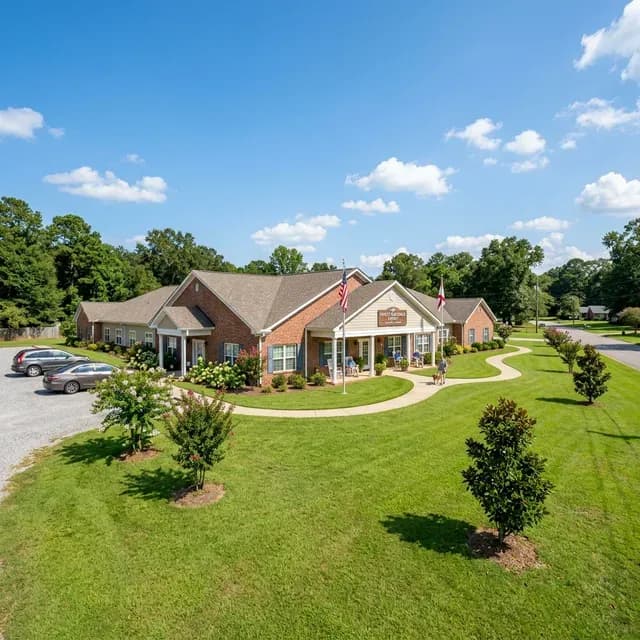
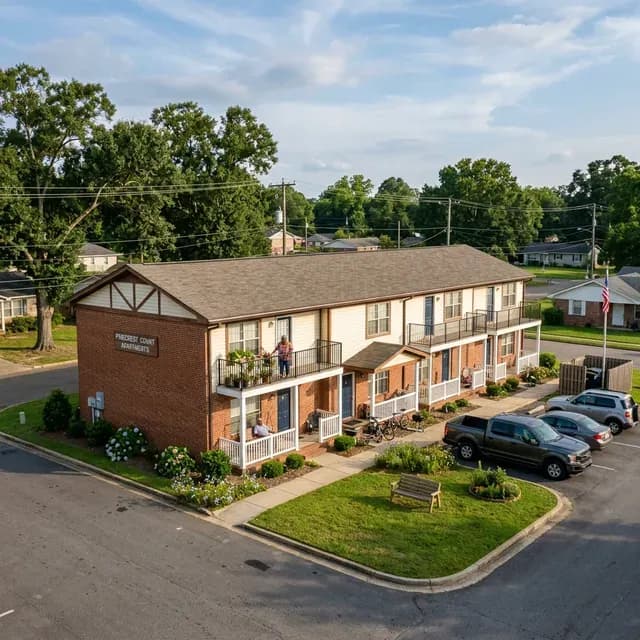
Our Supportive Housing Program provides evidence-based housing for adults with serious mental illness who lack a viable housing option. Residents hold standard leases or subleases with the right of tenure, pay no more than 30% of available income toward rent and utilities, and receive ongoing case management support from an assigned Community Support Specialist. Housing is provided without regard to participation in any treatment program. Scattered site apartments, mobile homes, or houses are rented or acquired within the maximum amounts permitted by the state rate model.
- Housing integrated into community settings available to the general public
- Standard lease or sublease — right of tenure protected
- Rent subsidized so consumer pays no more than 30% of available income
- No requirement to participate in specific treatment programs
Evidence-based supportive housing standards
Standard Lease
Consumers hold a standard lease or sublease that provides the right of tenure — just like any other renter.
Community Integration
Housing is integrated into settings available to persons without mental illness — not segregated treatment environments.
Affordable Rent
Subsidies ensure consumers pay no more than 30% of available income for housing and utility costs.
Treatment Independence
Housing is provided regardless of whether the consumer participates in outpatient, day program, or any other service.
Case Management Support
An assigned Community Support Specialist assists with finding, selecting, obtaining, and maintaining appropriate housing.
Service Linkage
Case managers are available to link consumers to other essential services — medical, vocational, social, and more.
Who Qualifies for Supportive Housing
The Supportive Housing program serves adults 18 and older with a primary diagnosis of Serious Mental Illness (SMI) who cannot live independently without financial assistance and lack other viable housing options. Priority is given first to consumers currently residing in a DMH Inpatient Facility, then to community residents.
- Primary diagnosis of serious mental illness (SMI), age 18 and older
- Cannot live independently without financial assistance
- Priority: consumers discharged from a state hospital resulting in a bed reduction
- Does NOT qualify: Individuals without an SMI diagnosis
- Does NOT qualify: Individuals who can live independently without financial assistance from SCAMHC
For adults with SMI who lack viable housing
To qualify, you must have a primary diagnosis of serious mental illness (SMI), be 18 or older, and have no other viable housing option. Availability is limited and consumers may be placed on a waiting list. Contact Theresa Stinson at 334-335-5201 to learn more or speak with your therapist to make a referral.